Garden Netting: The Ultimate Guide To Keeping Your Garden Safe And Secure
Garden Netting: The Ultimate Guide to Keeping Your Garden Safe and Secure
Garden netting is a versatile tool that can be used to protect your plants from a variety of pests and animals. Whether you're trying to keep birds out of your berry bushes, rabbits out of your vegetable garden, or deer out of your entire yard, garden netting can be a great solution.
In this guide, we'll discuss the different types of garden netting available, how to choose the right netting for your needs, and how to install it properly. We'll also cover some of the benefits of using garden netting, as well as some of the potential drawbacks.
What is Garden Netting?
Garden netting is a lightweight, mesh fabric that is used to protect plants from pests and animals. It is typically made of either plastic or nylon, and it comes in a variety of mesh sizes. The mesh size will determine the size of the pests that the netting will keep out.
Garden netting can be used to protect a wide variety of plants, including fruits, vegetables, flowers, and trees. It can also be used to protect birdhouses, feeders, and other garden structures.
Types of Garden Netting
There are two main types of garden netting: bird netting and deer netting. Bird netting is typically made of a finer mesh than deer netting, and it is used to keep birds out of plants. Deer netting is made of a larger mesh, and it is used to keep deer out of gardens.
In addition to bird netting and deer netting, there are also other types of garden netting available, such as rabbit netting, squirrel netting, and netting for keeping out insects.
How to Choose the Right Garden Netting
When choosing garden netting, there are a few factors you'll need to consider, including:
- The size of the pests you're trying to keep out
- The type of plants you're trying to protect
- The size of your garden
- The climate you live in
Once you've considered these factors, you can start shopping for garden netting. When you're shopping, be sure to check the mesh size, the material the netting is made of, and the weight of the netting.
How to Install Garden Netting
Installing garden netting is a relatively easy process. The first step is to measure the area you need to cover. Once you have the measurements, you can cut the netting to size.
The next step is to secure the netting in place. You can use stakes, posts, or even trees to secure the netting. Be sure to secure the netting tightly so that it doesn't come loose.
Once the netting is secure, you can plant your seeds or seedlings. Be sure to leave enough space between the plants and the netting so that the plants can grow.
Benefits of Using Garden Netting
There are many benefits to using garden netting, including:
- It can help to protect your plants from pests and animals.
- It can help to prevent diseases from spreading.
- It can help to keep your plants healthy and productive.
- It can help to save you time and money.
Potential Drawbacks of Using Garden Netting
There are a few potential drawbacks to using garden netting, including:
- It can be unsightly.
- It can block sunlight and air circulation.
- It can be difficult to install.
Conclusion
Garden netting is a versatile tool that can be used to protect your plants from a variety of pests and animals. It is a relatively easy to install, and it can offer a number of benefits. If you're looking for a way to protect your garden, garden netting is a good option to consider.
Garden netting is a great way to protect your plants from pests, animals, and the elements. But with so many different types of netting available, it can be hard to know which one is right for you. That's where Garden Wiki comes in.
Garden Wiki is a comprehensive resource for all things garden netting. They offer a wide variety of netting products, as well as detailed information on how to choose the right netting for your needs. Whether you're looking to protect your plants from birds, deer, or rabbits, Garden Wiki has the netting you need.
In addition to their wide selection of netting products, Garden Wiki also offers a wealth of educational resources. Their blog features articles on topics such as how to install garden netting, how to choose the right netting for your climate, and how to keep your plants safe from pests.
If you're looking for a reliable source of information on garden netting, Garden Wiki is the place to go. Their team of experts is dedicated to helping you protect your plants and grow a beautiful garden.
FAQ of garden netting
Q: What is garden netting used for?
A: Garden netting is a versatile tool that can be used for a variety of purposes, including:
- Pest control: Garden netting can help to keep pests out of your garden, such as birds, rabbits, squirrels, and deer.
- Fruit protection: Garden netting can be used to protect fruit trees and bushes from birds and other animals.
- Weather protection: Garden netting can help to protect plants from wind, hail, and rain.
- Privacy: Garden netting can be used to create a privacy screen in your garden.
- Decoration: Garden netting can be used to add a touch of beauty and whimsy to your garden.
Q: What are the different types of garden netting?
A: There are a variety of different types of garden netting available, each with its own unique properties. Some of the most common types of garden netting include:
- Polypropylene netting: This is a lightweight and durable type of garden netting that is often used for pest control.
- Mesh netting: This is a type of garden netting that is made up of small holes, which makes it effective at keeping out pests and small animals.
- Bird netting: This is a type of garden netting that is specifically designed to keep birds out of gardens.
- Frost netting: This is a type of garden netting that is used to protect plants from frost.
- UV-resistant netting: This is a type of garden netting that is treated with UV-resistant chemicals, which helps to prevent it from breaking down in sunlight.
Q: How do I choose the right type of garden netting for my needs?
A: The type of garden netting that you choose will depend on the specific purpose that you need it for. If you are using garden netting for pest control, you will need to choose a type of netting that is strong enough to keep out the pests that you are trying to deter. If you are using garden netting to protect plants from the weather, you will need to choose a type of netting that is durable and weather-resistant.
Q: How do I install garden netting?
A: The installation process for garden netting will vary depending on the type of netting that you are using and the size of the area that you are covering. However, some general tips for installing garden netting include:
- Make sure that the netting is taut and secure.
- Anchor the netting to the ground or to a structure.
- Leave an opening in the netting for access to your plants.
Q: How do I care for garden netting?
A: Garden netting is a relatively low-maintenance product. However, there are a few things that you can do to extend the life of your garden netting:
- Clean the netting regularly to remove dirt and debris.
- Store the netting in a dry place when it is not in use.
- Repair any tears or holes in the netting as soon as possible.
Image of garden netting
5 different images of "garden netting" from Pinterest:
- A white garden netting covering a row of tomatoes.
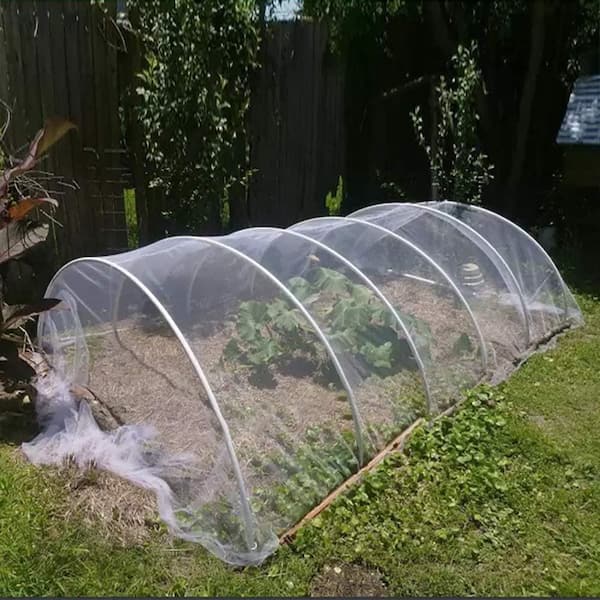
- A green garden netting covering a strawberry patch.

- A black garden netting covering a fruit tree.
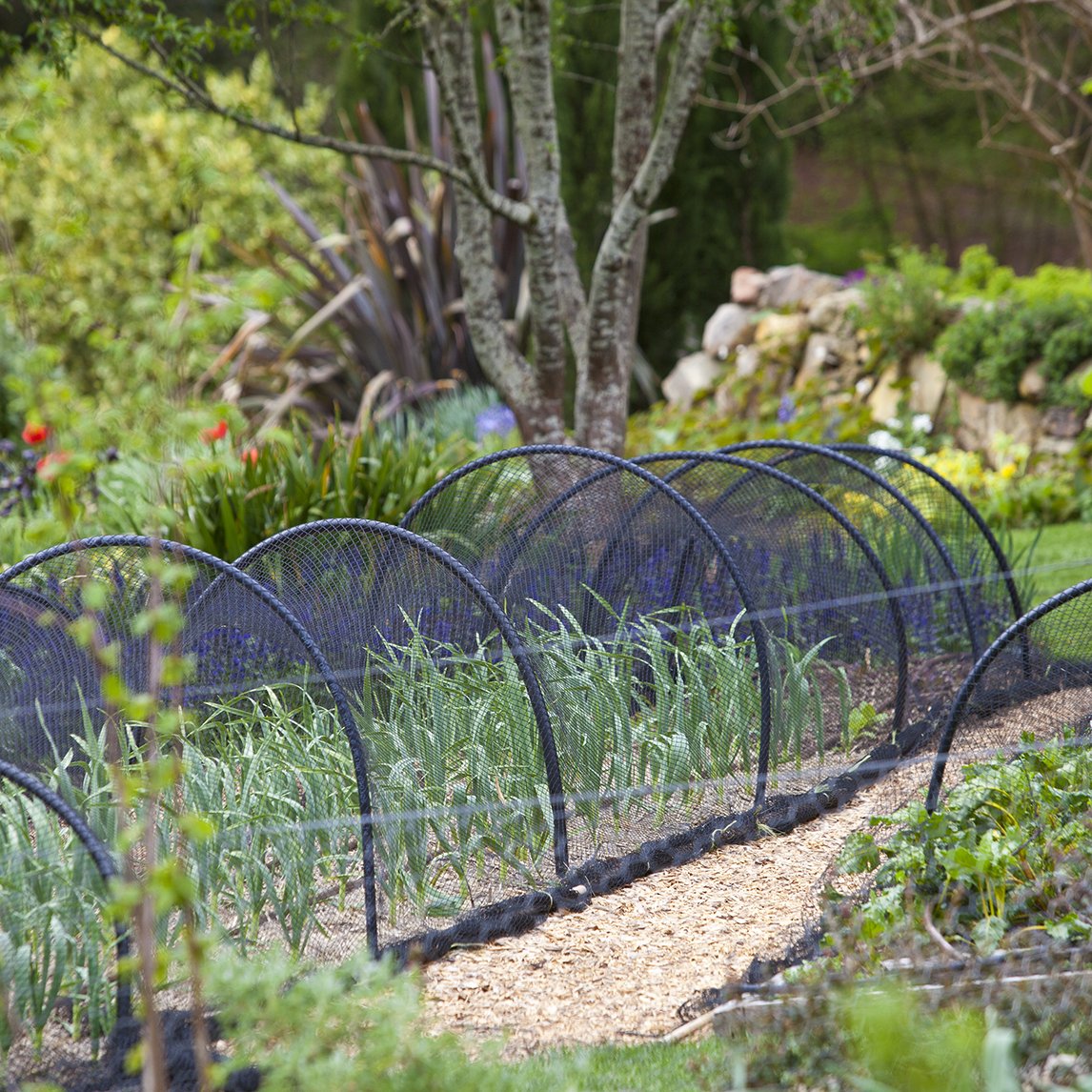
- A mesh garden netting covering a vegetable garden.

- A bird netting covering a bird feeder.
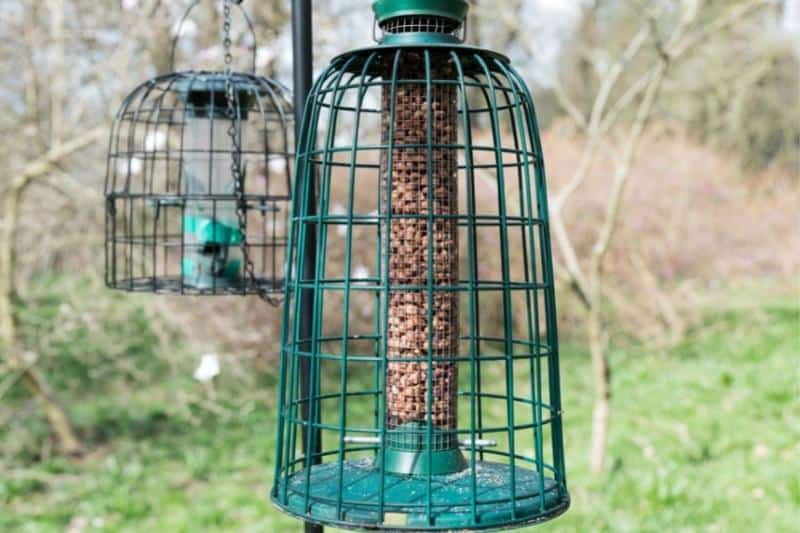

Post a Comment for "Garden Netting: The Ultimate Guide To Keeping Your Garden Safe And Secure"